Our Initial Series Programs offer private, one-on-one instruction focused on teaching infants and young children essential survival swim skills in a safe and supportive environment. These foundational lessons build water confidence, safety awareness, and life-saving techniques that empower your child from the very start.
Infant Gentle Submersion
Private Parent-Tot Ages: 2 months to 6 months
Introducing your infant to swimming at an early age offers numerous benefits that contribute to their overall development. Once your baby’s umbilical cord has healed, typically within a few weeks after birth, they can begin gentle water activities.
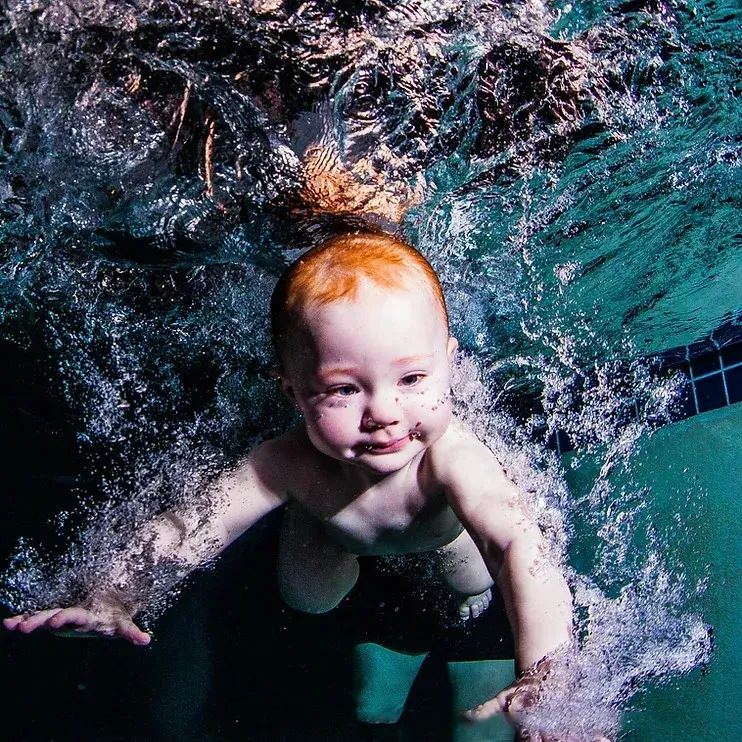
At Flipkick Swim Academy, our Infant Gentle Submersion Private Parent-Tot Workshop classes are designed to provide a safe and nurturing environment for your child to explore the water. These private sessions focus on gentle submersion techniques, ensuring both parent and child feel comfortable and supported throughout the learning process.
By enrolling your infant in our program, you’re setting the foundation for a lifetime of water confidence and enjoyment.
Water provides a unique environment where infants can move freely, promoting muscle strength, coordination, and balance.
Cognitive Growth
Engaging in swimming activities stimulates brain development, enhancing skills such as problem-solving, spatial awareness, and language acquisition.
Social and Emotional Well-being
Participating in swim sessions fosters social interaction and can boost a child’s self-confidence and adaptability to new situations.
Infant Survival
(Levels 1 & 2)
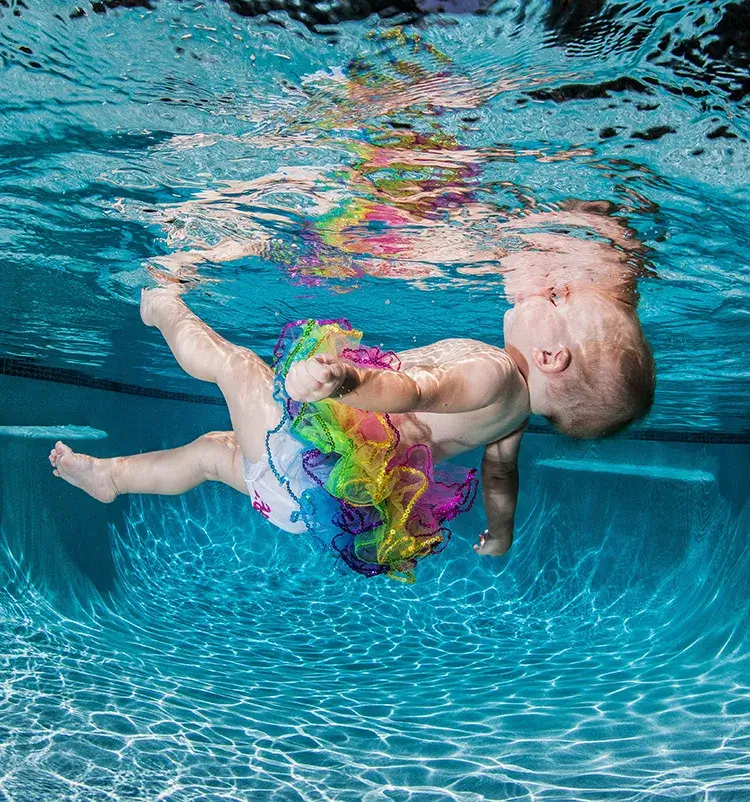
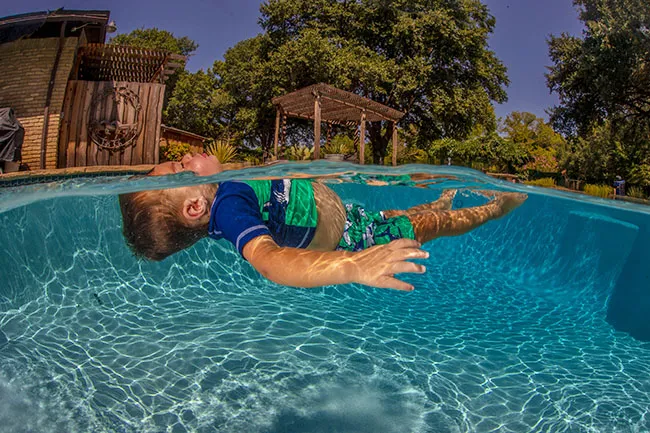
In this stage, infants learn to roll from a face-down position onto their backs, allowing them to breathe and stay afloat. Our certified instructors introduce this skill gently, using repetition and positive reinforcement to build trust and confidence in the water.
Why It Matters:
Watching a child develop survival swim skills is nothing short of incredible. In just a few weeks, babies and toddlers go from being completely dependent to capable, confident swimmers who can help protect themselves in the water.
Instructor-to-Student Ratio: Private lesson (1 instructor to 1 child)
Our Swim-Float-Swim program is a critical next step in your child’s survival swim journey. Taught one-on-one by certified instructors, this method teaches swimmers how to move independently and respond to fatigue or emergencies with confidence.
We teach Swim-Float-Swim to all beginners—from walking toddlers to older first-time swimmers. It’s also the method that most children will use to swim before they are developmentally ready for formal stroke development. This allows them to swim safely, independently, and effectively in the water long before mastering technique-based strokes.
In each lesson, your child will:
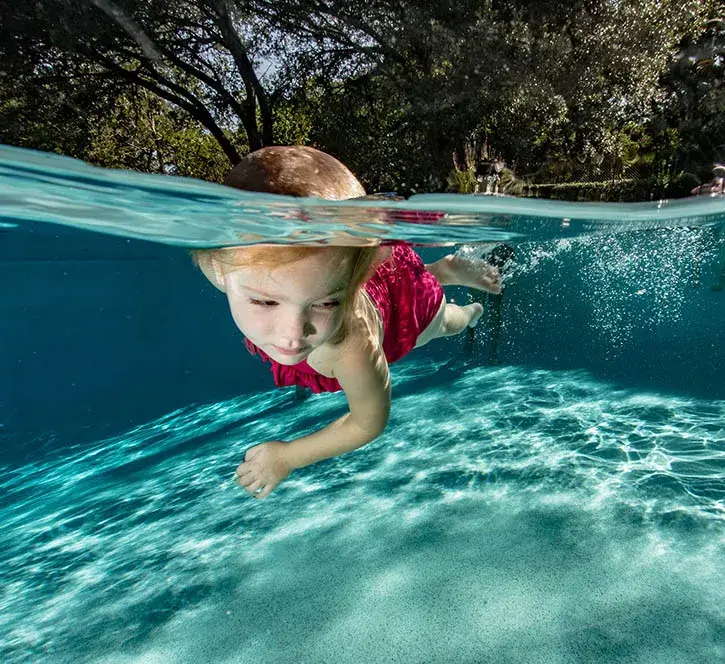
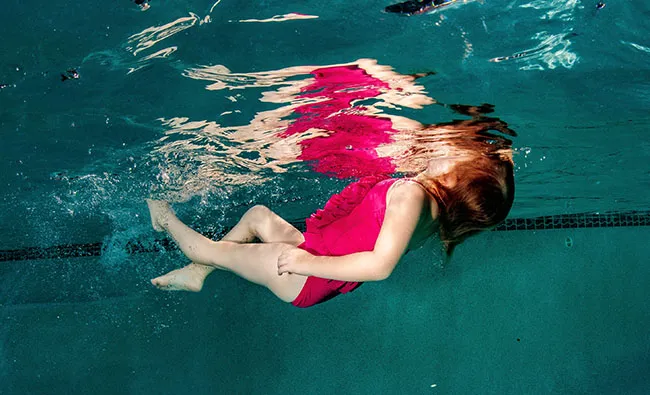
Swim short distances with their face submerged
Roll onto their back to float and breathe
Roll back over to continue swimming to safety
Practice fully clothed for real-world safety preparedness
The swim float swim sequence is repeated and becomes the primary technique that is utilized to swim and navigate through the water safely and confidently
This self-rescue sequence builds confidence and real-life safety skills while laying the groundwork for future stroke development—all in a calm, supportive environment.